
Best Leather Car Seat Conditioner: Top Picks and Buying Guide for Long-Lasting Leather Care

Leather car seats need regular care to stay soft, look good, and resist cracking. Conditioners clean, rehydrate, and protect leather by restoring oils that wear away from heat, sunlight, and spills. We tested several conditioners to find ones that revive color, leave a non-greasy finish, and help prevent future damage.
The biggest things to watch for are leather type, ingredients, and finish. Different products suit aniline, pigmented, or bonded leather, and some contain harsh solvents that can dry or darken sensitive hides. Choose a conditioner formulated for your seat type, with gentle ingredients and a non-greasy, protective finish for daily use. We evaluated performance, ease of use, and long-term effects to recommend the best options and explain how to pick the right one for your car.
Best Leather Car Seat Conditioners
We tested and reviewed top leather car seat conditioners to find products that clean, soften, and protect without damaging upholstery. Below is our list of the best options to keep leather seats looking and feeling like new.
Leather Honey Conditioner
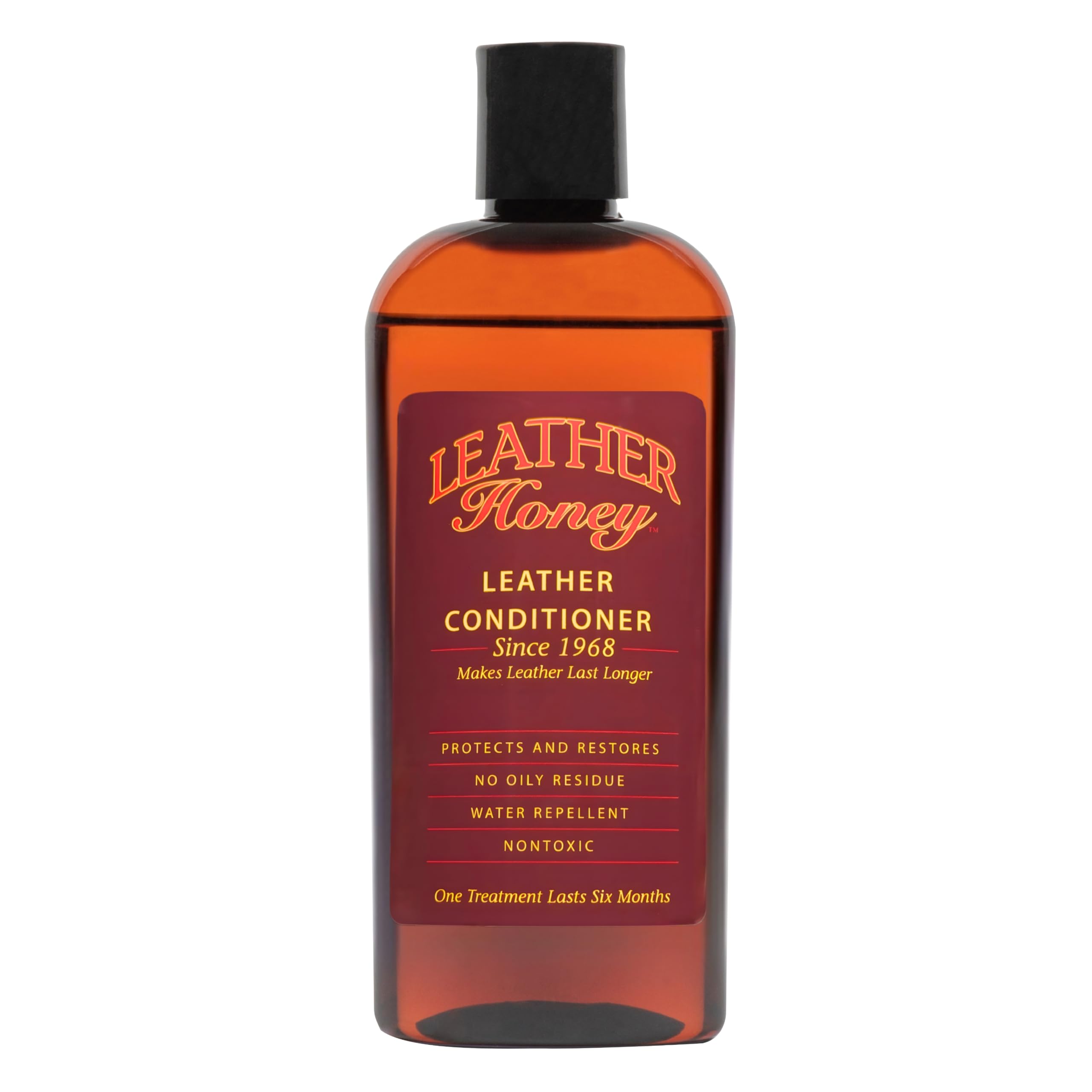
We recommend this if you want long-lasting protection and deep conditioning for real leather seats.
Pros
- Lasts a long time after one use
- Feels non-sticky and mild on smell
- Penetrates well and softens old leather
Cons
- Thick texture takes effort to rub in
- Not for suede, faux leather, or vinyl
- Can darken lighter leathers slightly
We used this on our older leather car seats and saw the finish settle in over a few hours. The leather looked fuller and moved more easily when we slid in and out of the car.
Application felt different from thin sprays — the product is heavy. We had to work it into seams with a cloth and a bit of elbow grease, but that meant it soaked in instead of sitting on top.
After a week the seats resisted water beading and felt less dry. We noticed a small darkening on a light seat, so test a hidden spot if color change worries you.
This bottle covers a lot of surface with only a small amount. We liked that it left no scent and did not feel tacky when it dried. Overall, it works best on genuine leather that needs deep conditioning.
Weiman Leather Cleaner & Conditioner
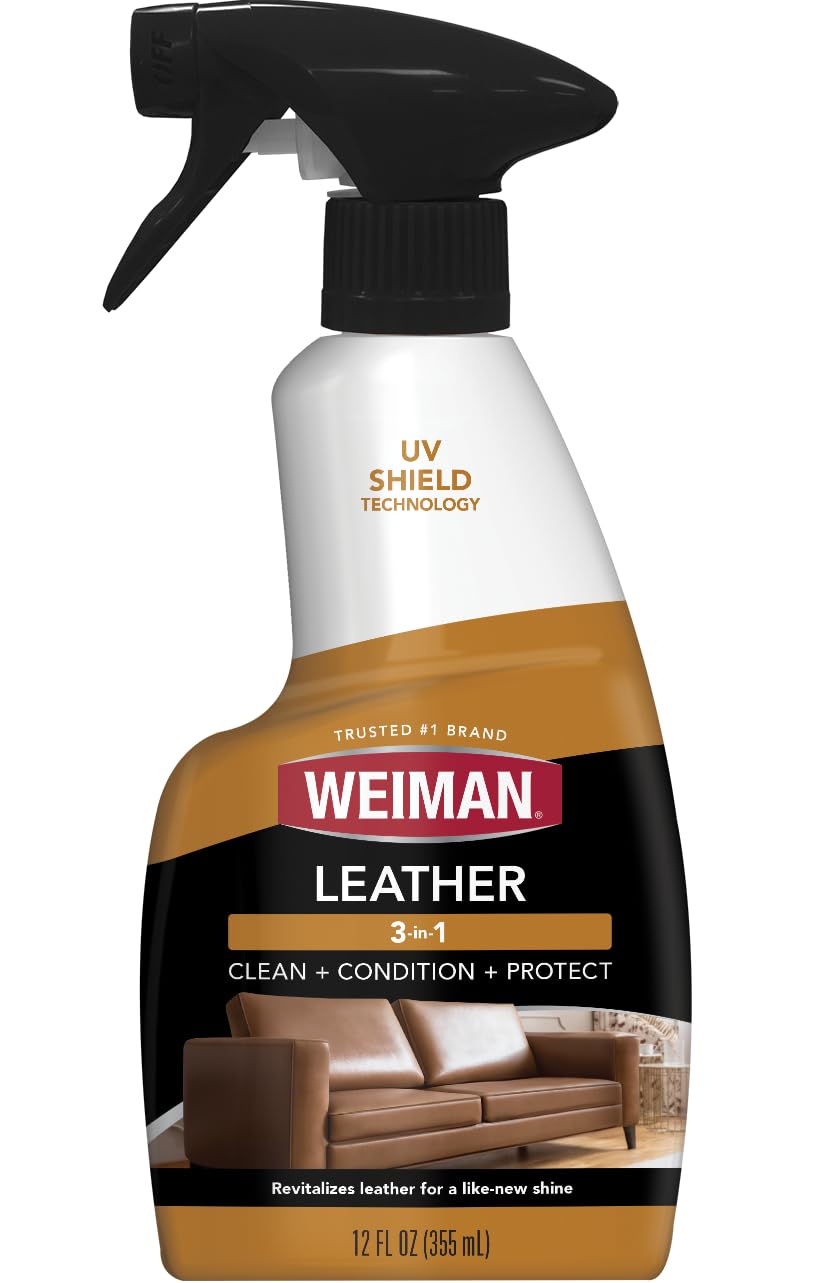
We recommend this for routine leather care because it cleans, conditions, and adds UV protection in one easy spray.
Pros
- Cleans and conditions in a single step.
- Leaves leather soft without greasy residue.
- Adds UV protection to help prevent drying and fading.
Cons
- Spray application can be uneven if you don’t buff it in.
- Not as deep-penetrating on very old, cracked leather.
- Small bottle size if you treat large seats often.
We used this on our car seats and a few leather bags. It sprays on easily, wipes in with a microfiber cloth, and the leather felt softer within minutes. The finish looked refreshed without a heavy shine.
On a couch and two car seats, the product removed surface grime and lifted light stains. Sun-worn areas looked less faded after a couple of applications. The scent was faint citrus and faded quickly.
For badly dried or split leather, the conditioner helped surface feel better but didn’t fix deep cracks. We liked the no-sticky finish and the daily-use simplicity. Buy it if you want a reliable, all-in-one maintenance product for finished leather.
Chemical Guys Leather Kit

We recommend this kit if you want an easy two-step cleaner and conditioner that restores feel and protects most leather types.
Pros
- Cleans grime well without heavy scrubbing
- Conditioner soaks in and leaves leather soft
- Safe for many leather surfaces
Cons
- Scent may be noticeable to some users
- Works best with microfiber and effort on stained areas
- Not a miracle fix for badly damaged leather
We used the cleaner on car seats and a couch and saw dirt lift away with light wiping. The spray spread evenly and didn’t foam up or feel harsh. It left the leather ready for the conditioner.
When we applied the conditioner, the leather absorbed it and felt softer within minutes. It didn’t leave a greasy film and the finish looked more even. Small scuffs filled in a bit, though deep cracks stayed.
On large jobs you should work in sections and use a clean cloth to avoid streaks. The kit handled sealed and natural leather without fading. Overall, it’s a solid, easy-to-use option for routine leather care.
Leather CPR Cleaner & Conditioner 18oz

We recommend this if you want a simple, all-in-one cleaner and conditioner that restores softness without leaving a greasy film.
Pros
- Cleans and conditions in one step, saving time.
- Dries to a natural matte finish, not shiny or sticky.
- Safe for finished car leather and other leather goods.
Cons
- Not for suede or nubuck.
- Can feel slightly tacky on heavy application.
- Higher price than some basic conditioners.
We used Leather CPR on my car seats and a couple of older leather bags. It lifted grime and felt like it replenished the leather quickly. The cream spread easily and wiped off without leaving a waxy film.
Application took just a few minutes per seat. After drying, the leather looked more even in color and felt softer to the touch. It did not darken the light leather noticeably, which mattered to us.
On deeper scratches or very worn areas, results were moderate — it improved appearance but did not erase heavy damage. Overall, it works best as regular maintenance and for reviving tired leather rather than fixing severe wear.
Bick 4 Leather Conditioner (8 oz)
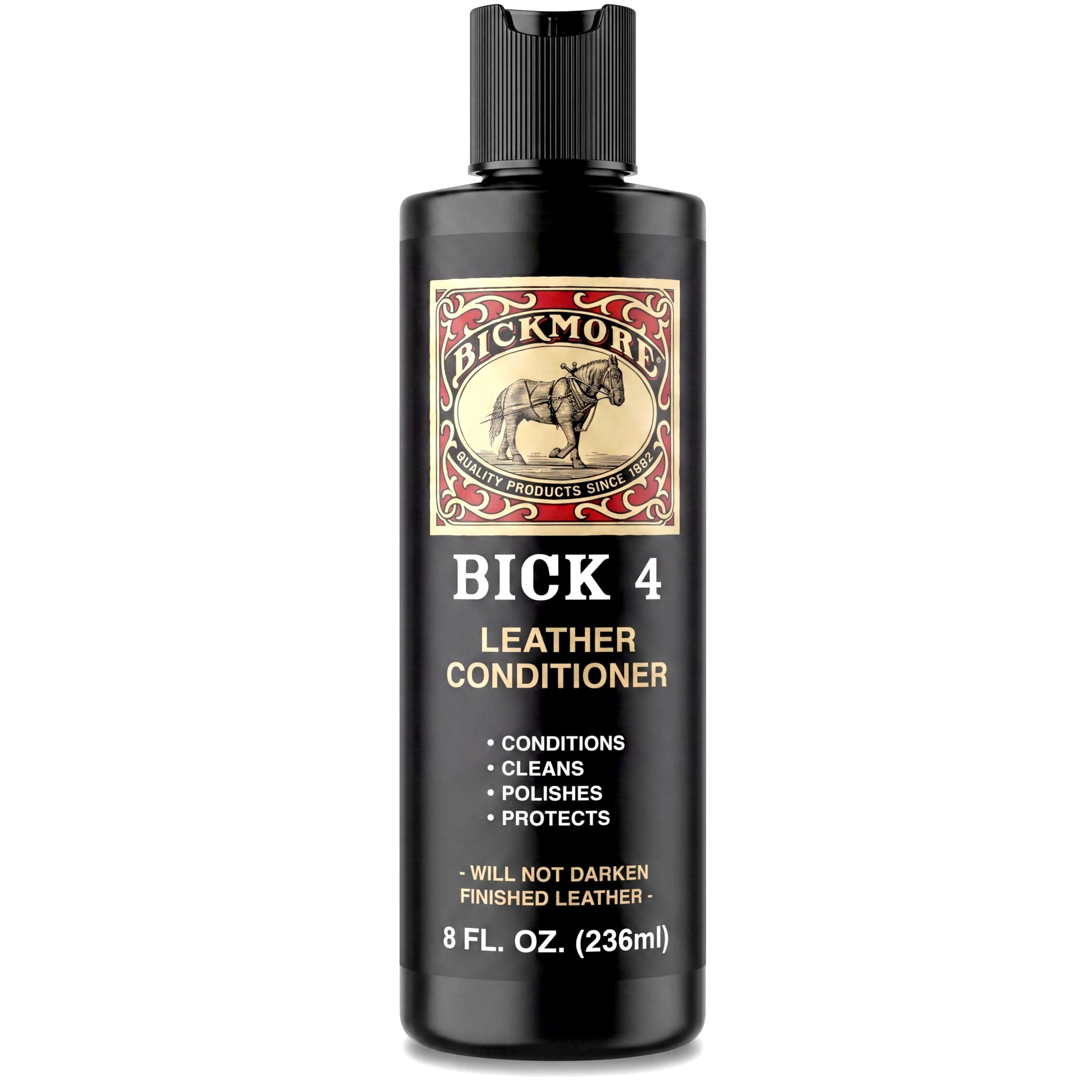
We recommend this if you want a no-fuss conditioner that cleans, softens, and won’t darken finished leather.
Pros
- Keeps leather soft without sealing pores
- Doesn’t darken light-colored leather
- Easy one-step application
Cons
- Not for suede, rough-out, or distressed leather
- Thin, lotion-like feel can drip if overapplied
- Works best on clean leather—needs prep for very dirty items
We used this on car seats, a leather jacket, and a few handbags. It spread easily and absorbed fast. Seats felt less stiff afterward and didn’t look darker, which mattered on our light interior.
Application was simple: wipe on with a cloth, let it dry, then buff. The finish looked natural, not shiny or greasy. It refreshed small cracks and made the leather more supple right away.
On very dirty seats we cleaned first, and it performed best after that prep. If you have suede or a heavily distressed surface, skip this one. For most smooth, finished car interiors, it’s a reliable, low-risk choice.
Chemical Guys Leather Quick Detailer

We recommend this spray for quick, regular care because it cleans, conditions, and smells pleasant without leaving a greasy film.
Pros
- Cleans light dirt and body oils fast.
- Leaves leather soft and supple after one pass.
- Safe on natural, synthetic, and faux leather.
Cons
- Not a deep cleaner for heavy stains.
- Fragrance may be too “new car” for some noses.
- Needs a microfiber cloth to avoid streaks.
We used this on both car seats and a thrift-store leather chair. The spray made quick work of dust and everyday grime and left the leather feeling smooth. It never felt slick or oily, just nicely hydrated.
Application was easy: light spray, a short buff with a microfiber, and the leather looked refreshed. On older, dry areas it improved the texture, though it didn’t erase deep scuffs or dye transfer.
The scent is noticeable and leans toward a new-car fragrance. We liked it, but if you prefer no scent, test a small spot first. Overall, this is great for routine upkeep and for anyone who wants fast, simple leather care.
Lexol Leather Conditioner
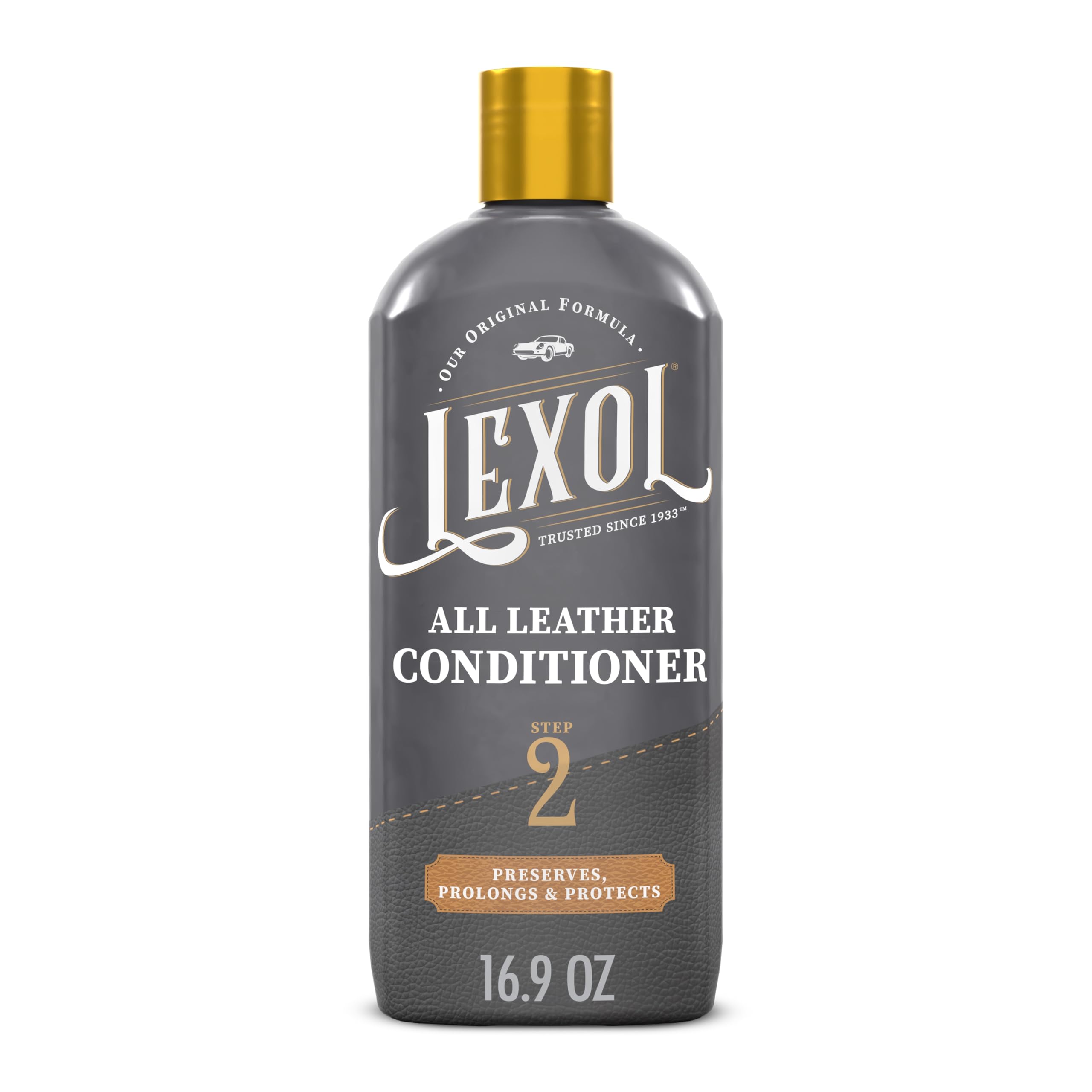
We recommend this if you want an easy, no-fuss conditioner that absorbs fast and keeps leather supple.
Pros
- Absorbs quickly without leaving greasy feel.
- Works on car seats plus furniture, shoes, and gear.
- Easy to apply and smells mild.
Cons
- Needs a prior cleaner for best results.
- Not a deep restorative for badly cracked leather.
- Bottle size can be bulky for travel.
We used this on a few car seats and an old sofa. It spread smooth with a small foam applicator and sank into the leather in minutes. Seats felt softer the same day and had no slippery residue.
Application felt simple. After a light cleaning, a little lotion covered a large area, so one bottle should last many uses. The scent was mild and faded quickly instead of leaving a strong chemical odor.
For very worn or cracked leather, the product revived flexibility but did not fully repair deep damage. For regular upkeep and preventing drying, it worked very well and kept leather looking cared for without a shiny, waxy finish.
Vintage Leather Conditioner (Chemical Guys)

We recommend this if you want a fast-absorbing conditioner that restores softness and a natural look without leaving greasy residue.
Pros
- Absorbs quickly and leaves a natural, matte finish.
- Feels nourishing; leather softens after one use.
- Works on natural and synthetic leather, plus vinyl.
Cons
- Very dry or cracked leather may need multiple applications.
- Thick cream texture can be hard to dose at first.
- Fragrance may not please everyone.
We used this on worn car seats and a leather couch. It rubbed in easily with a microfiber cloth and did not leave any slick feel. The seats looked richer and the leather regained some flexibility the same day.
Application felt tidy and fast. A small amount spreads farther than expected, but for badly dried spots we went back for a second pass. It did not darken the leather much and kept a low, pleasant scent.
For routine care, this hits the sweet spot between quick maintenance and deeper conditioning. We liked that it works on steering wheels and fashion items too, making it handy for multiple leather jobs around the house and car.
Leather Honey Kit
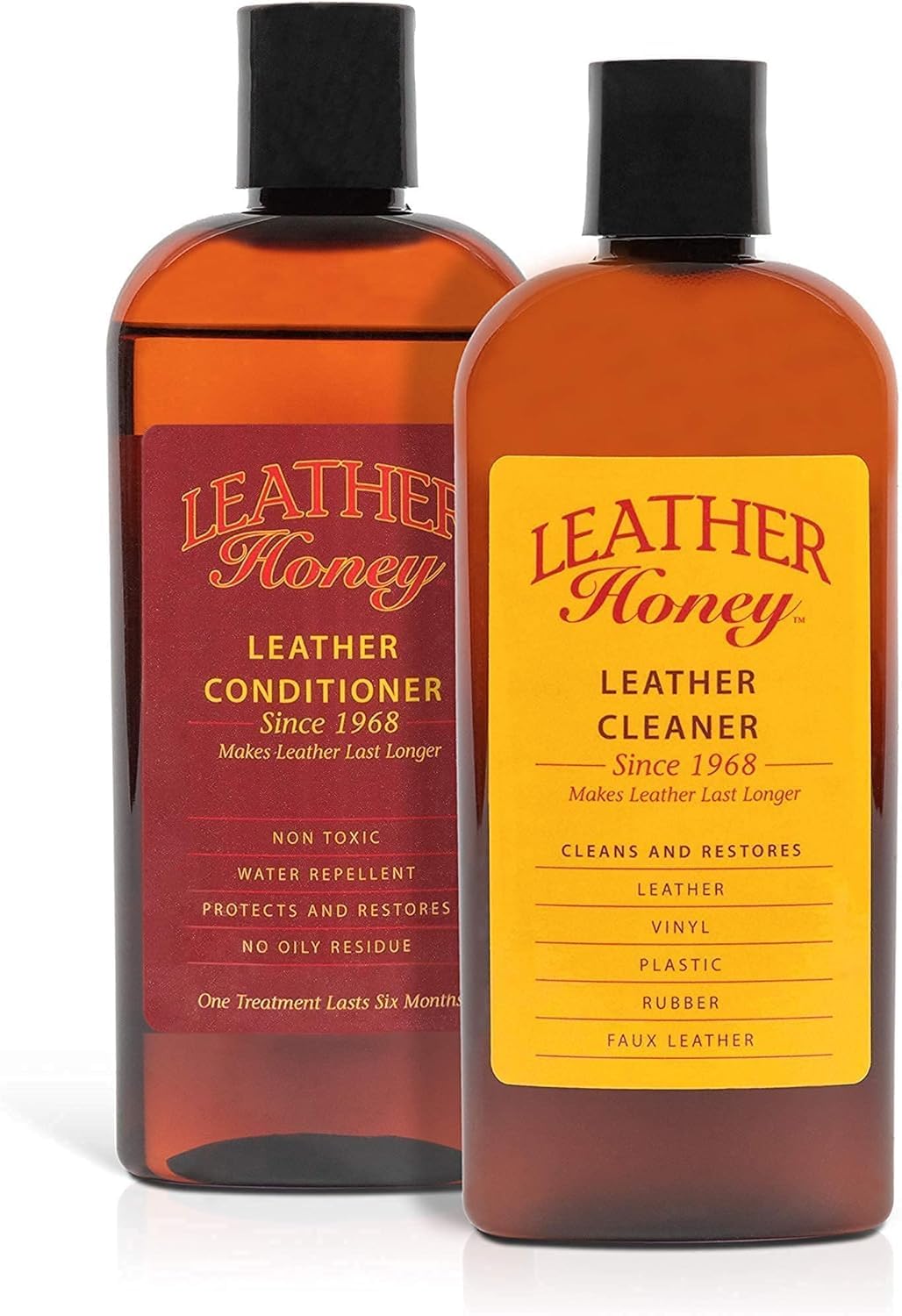
We recommend this kit when you want a deep, long-lasting conditioner plus a concentrate cleaner that covers many leather items.
Pros
- Restores and softens stiff, dry leather effectively.
- Cleaner concentrate stretches a long way when diluted.
- Odorless, non-toxic formula that feels safe to use.
Cons
- Conditioner is very thick and can be hard to spread at first.
- Takes effort to buff off excess product on large surfaces.
- Might frustrate users who prefer a thin, fast-absorbing lotion.
We used this kit on both car seats and a worn leather jacket. The cleaner cut through grime without leaving a scent, and the conditioner made the leather feel supple again. It really sank in and left a protective finish that held up to light rain.
Applying the conditioner took patience. It poured out dense and needed more rubbing than we expected to work it into seams and creases. A soft applicator pad and a bit of elbow grease solved that, and the final buff gave a smooth, non-greasy look.
This kit is best for people who want long-term care rather than a quick touch-up. The cleaner concentrate yields a lot of usable solution, so the set feels like good value if you plan multiple treatments across car seats, bags, and furniture.
Chemical Guys Sprayable Leather Cleaner & Conditioner
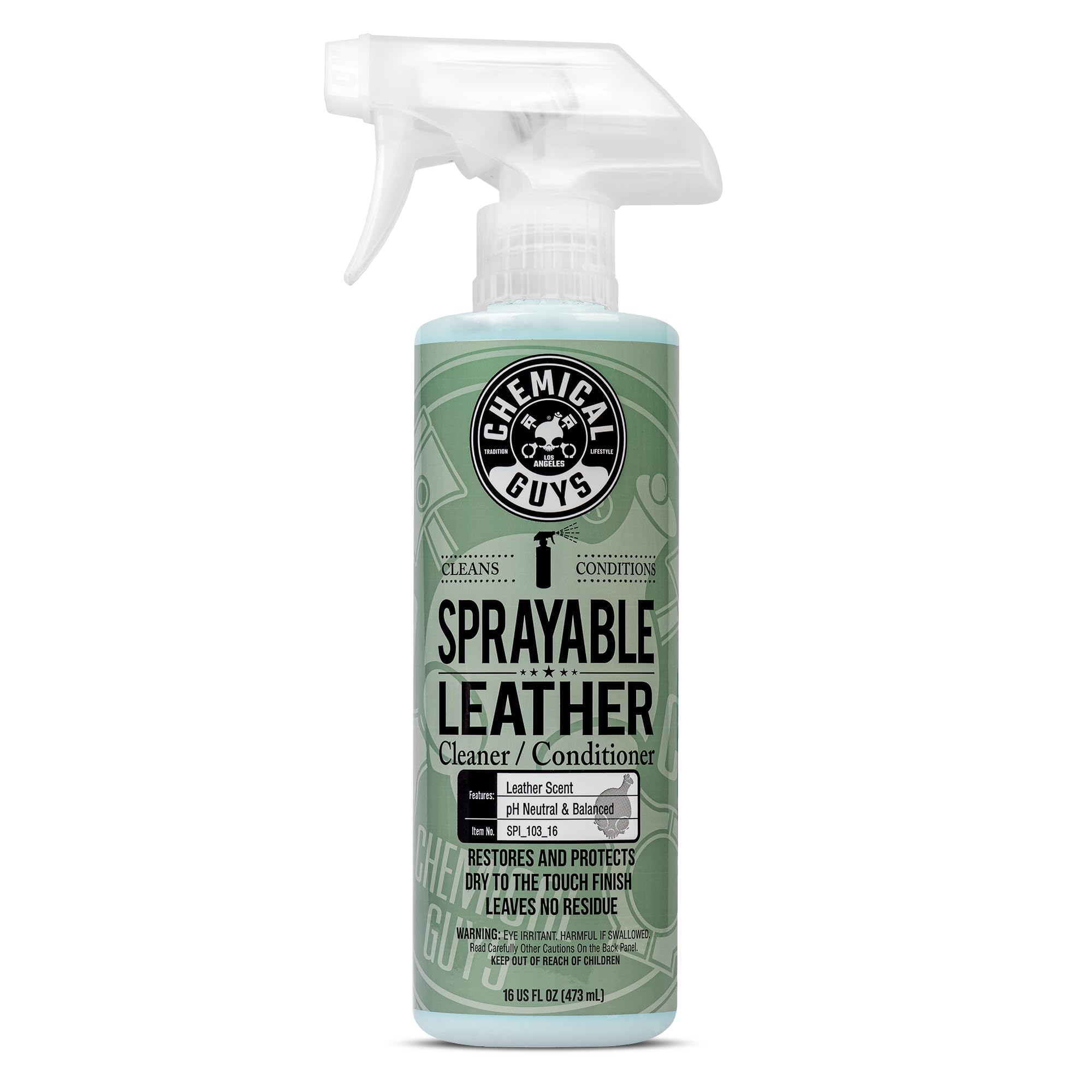
We recommend this one-step spray for quick leather upkeep because it cleans, softens, and protects without leaving a greasy film.
Pros
- Cleans and conditions in one quick pass.
- Leaves leather soft and not sticky.
- Works on real and synthetic leather.
Cons
- Not strong enough for heavy dye transfer or deep stains.
- Scent may be noticeable to some users.
- Spray cap can arrive damaged in rare cases.
We grabbed a bottle and used it on my car seats and a leather jacket. The spray spread easily and wiped off without gunking up the microfiber towel. Seats looked cleaner and felt softer right after drying.
When we treated older areas, the product brightened the color and reduced stiffness, but it did not remove a deep dye stain on a fabric transfer. For routine maintenance and light soil, it handled body oils and dust well.
Application felt simple: spray onto the towel, work the leather, then buff. Results lasted through daily use and the finish stayed natural, not shiny. Overall, this is a fast, practical choice for regular leather care.
Buying Guide
We look for conditioners that protect and soften leather without leaving a greasy film. Check the ingredients list for natural oils and mild cleaners, and avoid harsh solvents that can dry or darken leather.
We consider compatibility with your leather type. Some formulas suit smooth or aniline leather while others are for sealed or pigmented surfaces. If unsure, test on a hidden spot first.
We want a product that offers UV protection and moisture balance. UV inhibitors help prevent fading. Humectants keep leather flexible and reduce cracking over time.
We evaluate ease of use and application tools. Creams and lotions often spread easily with a soft cloth, while sprays can reach seams and creases. Look for clear instructions and recommended drying times.
We pay attention to safety and odor. A low-odor, non-toxic formula is better for enclosed spaces like cars. Check for allergy warnings and avoid strong chemical smells.
We rate value by concentration and coverage. A small tube might be more concentrated than a large spray. Compare how much area a single bottle treats before buying again.
We prefer products with clear care directions and storage guidance. Proper use and storage extend product life and protect your leather. Always follow the manufacturer’s care steps for best results.
Editor’s Choice
We chose a leather conditioner that balances protection, ease of use, and gentle care for most car seats. It restores suppleness, reduces cracking, and leaves a natural finish without a greasy feel.
Key features we liked:
- Safe for dyed and pigmented leather — avoids color loss.
- UV protection — helps prevent sun damage.
- Easy application — spreads with a cloth and absorbs well.
We tested feel, scent, and how quickly seats looked better. The conditioner softened leather within one application and resisted water beading for several weeks.
How we applied it:
- Cleaned a small area with a mild leather cleaner.
- Applied a small amount with a microfiber cloth.
- Let it absorb for 10–20 minutes, then buffed lightly.
We recommend doing a patch test on an inconspicuous spot first. Some older or highly worn leather may need repeated applications or professional repair.
Product tip: Use sparingly — more product does not mean better results and can leave residue. Store in a cool, dark place to keep the formula stable.
Conclusion
We chose conditioners that protect leather, restore suppleness, and slow wear. Our picks balance ease of use, ingredient safety, and long-term results.
We recommend testing any product on a hidden spot first. This helps avoid color changes or damage.
For daily drivers, pick a light conditioner for regular maintenance. For older or dried leather, use a richer formula and reapply more often.
We favor products with clear ingredient lists and good user feedback. Avoid cleaners with harsh solvents that can strip oils.
Quick steps we follow:
- Clean gently before conditioning.
- Apply sparingly and buff to a soft sheen.
- Reapply every 3–6 months or after heavy use.
We stand by choices that combine protection, feel, and value. Use the guidance above to match a conditioner to your car and driving habits.
FAQS
What does a leather conditioner do?
We restore moisture, soften leather, and help prevent cracking. Conditioners also help keep color and reduce stiffness.
How often should we condition car seats?
We recommend every 3–6 months for regular use. If seats face sun or harsh weather, we condition every 2–3 months.
Can we use household oils or creams?
No. Household oils can darken or damage leather. Use products made for automotive leather.
Do conditioners change leather color?
Some do. Always test on a hidden spot first. We use color-safe formulas to avoid unwanted darkening.
How do we apply conditioner?
Clean the seat first with a leather cleaner. Apply a small amount with a soft cloth, rub gently, and buff off excess.
Will conditioner fix cracks or tears?
Conditioner helps prevent cracking and can soften small surface cracks. It won’t repair deep cracks or tears. For that, we seek a repair kit or professional help.
Are all leather conditioners safe for heated seats?
Not always. Check the product label for compatibility with heated seats. We choose products that list heated-seat safety.
How do we store leather conditioner?
Keep it in a cool, dry place away from direct sunlight. Tighten the cap to prevent contamination and drying out.
What ingredients should we avoid?
Avoid silicone, wax heavy formulas, and petroleum solvents. These can harm leather over time. We prefer water-based or natural oil formulas.
