30 Unwanted Things You Can Remove from Car Glass

Contents
- 1 Key Takeaways
- 2 📑 Table of Contents
- 3 Why Clean Car Glass Matters More Than You Think
- 4 Common Contaminants and How to Remove Them
- 5 Seasonal and Environmental Stains
- 6 DIY Cleaning Solutions and Tools
- 7 Prevention Tips for Long-Lasting Clarity
- 8 When to Call a Professional
- 9 Conclusion
- 10 Frequently Asked Questions

Car Emergency Roadside Kit

Car Scratch Remover

Car LED Headlight Bulb

Emergency First Aid Kit
Keeping your car glass spotless isn’t just about looks—it’s about safety and longevity. From stubborn bugs to sticky residue, this guide reveals 30 common contaminants you can remove from windshields, windows, and mirrors using simple, effective methods.
Key Takeaways
- Regular cleaning prevents long-term damage: Removing contaminants early stops etching and clouding on glass surfaces.
- Use the right tools and cleaners: Avoid abrasive materials; opt for microfiber cloths and ammonia-free glass cleaners for best results.
- Bug splatter requires prompt action: Letting bugs dry can permanently stain glass—soak and wipe gently with warm soapy water.
- Tree sap and tar need solvents: Use rubbing alcohol or commercial tar removers, but test on a small area first.
- Water spots vanish with vinegar: A 50/50 vinegar-water solution dissolves mineral deposits without scratching.
- Adhesive residue comes off safely: Goo Gone or peanut butter can lift stickers and decals without harming glass.
- Professional help isn’t always needed: Most glass issues can be resolved at home with patience and the right technique.
📑 Table of Contents
Why Clean Car Glass Matters More Than You Think
Your car’s glass—windshield, side windows, rear glass, and mirrors—does more than just let you see where you’re going. It’s a critical safety component. Dirty or obstructed glass reduces visibility, especially at night or in bad weather, increasing the risk of accidents. But beyond safety, clean glass also protects the integrity of the glass itself. Over time, contaminants like acid rain, bird droppings, and hard water can etch into the surface, causing permanent haze or scratches that no amount of polishing can fix.
Many drivers underestimate how quickly grime builds up. A quick drive through a bug-filled country road or a parking spot under a sap-heavy pine tree can leave your windshield looking like a modern art project. And while it might seem harmless to ignore a few smudges or splatters, those tiny imperfections scatter light, cause glare, and make night driving more dangerous. The good news? Most of these issues are completely preventable—and reversible—with the right approach.
In this guide, we’ll walk you through 30 unwanted things you can remove from car glass, from the obvious (like mud and bugs) to the sneaky (like hard water spots and adhesive residue). Whether you’re dealing with a fresh splatter or a months-old stain, we’ve got safe, effective solutions that won’t damage your glass or your wallet.
Common Contaminants and How to Remove Them

Visual guide about 30 Unwanted Things You Can Remove from Car Glass
Image source: fixitautoglass.ae
Car glass faces a constant onslaught of environmental and human-made pollutants. Some are seasonal, others are everyday annoyances, but all can compromise clarity and safety if left unchecked. Let’s break down the most common culprits and how to tackle them.
Bug Splatter
Nothing ruins a clean windshield faster than a highway full of insects. Bug splatter isn’t just ugly—it’s acidic. The proteins and enzymes in insect bodies can etch into glass if left too long, especially under hot sun. The key is to act fast.
Start by soaking the affected area with warm, soapy water. Let it sit for 5–10 minutes to soften the residue. Use a soft sponge or microfiber cloth to gently wipe away the mess. For stubborn spots, a plastic razor blade (used at a shallow angle) can help lift dried-on gunk without scratching. Avoid metal scrapers—they’re too harsh for modern glass coatings.
Pro tip: Keep a spray bottle of bug remover in your car during bug season. A quick spritz after a drive can prevent buildup.
Bird Droppings
Bird poop might seem harmless, but it’s highly acidic and can damage glass and paint alike. The longer it sits, the more it bonds to the surface. If you spot a fresh dropping, don’t wait.
Use a damp cloth or paper towel to gently blot (not rub) the area. Rubbing can spread the mess and scratch the glass. Follow up with a glass cleaner and a clean microfiber cloth. For dried droppings, soak with warm water first, then use a soft brush (like a toothbrush) to loosen the crust.
Tree Sap and Resin
Parking under trees might offer shade, but it comes at a cost—sap. Pine, maple, and other trees drip sticky resin that hardens quickly. This stuff doesn’t wash off with water alone.
Rubbing alcohol (isopropyl alcohol) is your best friend here. Apply it to a cloth and hold it over the sap for a minute to soften it. Then gently rub until it lifts. For larger globs, use a plastic scraper after soaking. Never use acetone or nail polish remover—they can damage window tints and seals.
Tar and Road Grime
Driving on freshly paved roads or near construction zones exposes your car to tar, asphalt, and black grime. These substances cling to glass and resist water-based cleaners.
Commercial tar removers work well, but you can also use WD-40 or peanut butter (yes, really). Apply, let sit for a few minutes, then wipe with a cloth. The oils break down the tar, making it easy to remove. Follow up with glass cleaner to eliminate any oily residue.
Hard Water Spots
If you live in an area with hard water, you’ve probably seen those chalky white spots on your windows. They’re caused by mineral deposits (calcium and magnesium) left behind when water evaporates.
Vinegar is the hero here. Mix equal parts white vinegar and water in a spray bottle. Spray on the spots, let sit for 5–10 minutes, then wipe with a microfiber cloth. For stubborn spots, use a soft toothbrush to gently scrub. Rinse with clean water and dry thoroughly.
Adhesive Residue from Stickers and Decals
Old parking permits, bumper stickers, or decals leave behind sticky glue that’s tough to remove. Scraping it off with a razor can scratch the glass.
Try Goo Gone or a similar adhesive remover. Apply, wait a few minutes, then wipe with a cloth. For a natural alternative, use peanut butter—the oils break down the glue. Apply, let sit, then wipe clean. Always follow up with glass cleaner to remove any residue.
Seasonal and Environmental Stains
Visual guide about 30 Unwanted Things You Can Remove from Car Glass
Image source: i.ytimg.com
Your car’s glass faces different challenges depending on the season. Winter brings salt and slush, spring delivers pollen and sap, summer has bugs and heat, and fall leaves behind leaf stains and moisture. Let’s look at how to handle these seasonal offenders.
Winter Salt and Grime
Road salt is essential for safety, but it’s brutal on your car. Salt residue on glass can cause clouding and corrosion over time. After winter drives, rinse your car—including windows—with fresh water as soon as possible.
Use a dedicated glass cleaner after rinsing. For salt buildup in corners or wiper tracks, a toothbrush dipped in vinegar can help scrub away crusty deposits. Consider using a water-repellent treatment like Rain-X to make future cleaning easier.
Pollen and Dust
Spring pollen coats everything in a yellow film. While it might seem harmless, pollen is abrasive and can scratch glass if rubbed dry.
Use a leaf blower or compressed air to blow off loose pollen before washing. Then wash with soapy water and rinse thoroughly. Avoid wiping dry pollen—it’s like using sandpaper.
Leaf Stains and Tannins
Fallen leaves left on your car can leak tannins—natural acids that stain glass and paint. These stains look like dark smudges and can be tough to remove.
Soak the area with warm water, then use a mixture of baking soda and water to form a paste. Gently scrub with a soft cloth, then rinse. For persistent stains, a glass polish may be needed.
Acid Rain and Pollution
Industrial pollution and acid rain leave behind a hazy film that dulls glass. This isn’t just dirt—it’s chemically bonded residue.
Use a high-quality glass cleaner with ammonia (for untinted glass only) or an ammonia-free alternative for tinted windows. For heavy buildup, a clay bar designed for glass can lift embedded contaminants. Follow with a glass sealant to repel future grime.
DIY Cleaning Solutions and Tools

Visual guide about 30 Unwanted Things You Can Remove from Car Glass
Image source: i.redd.it
You don’t need expensive products to keep your car glass spotless. With a few household items and the right tools, you can tackle almost any stain.
Homemade Glass Cleaner
Mix 1 cup of rubbing alcohol, 1 cup of water, and 1 tablespoon of white vinegar. Pour into a spray bottle. This solution cuts through grease, evaporates quickly, and leaves no streaks. Avoid using it on tinted windows—alcohol can damage the film.
Microfiber Cloths
These are a must-have. They trap dirt instead of spreading it and won’t scratch glass. Use one cloth for cleaning and a second dry one for buffing to a shine.
Plastic Razor Blades
Perfect for scraping off dried bugs, sap, or ice without scratching. Hold at a 30-degree angle and use light pressure.
Clay Bars for Glass
Yes, clay bars work on glass too. They remove embedded contaminants that regular cleaners can’t. Use with a lubricant (like quick detailer) and glide gently over the surface.
Toothbrushes and Soft Brushes
Great for tight spaces like wiper arms, seals, and corners. Use an old toothbrush with soapy water or vinegar solution.
Prevention Tips for Long-Lasting Clarity
Cleaning is important, but prevention is even better. A few simple habits can keep your car glass cleaner for longer.
Use a Windshield Sunshade
Parking in the sun bakes contaminants into the glass. A sunshade reduces heat and protects against sap, pollen, and bird droppings.
Apply a Glass Sealant
Products like Rain-X or Glass Science create a hydrophobic layer that repels water, dirt, and bugs. Reapply every few months for best results.
Wash Your Car Regularly
Aim for every two weeks, or more often in harsh conditions. Use a pH-balanced car wash soap—never dish soap, which strips wax and dries out seals.
Keep Wipers in Good Condition
Worn wipers smear dirt instead of removing it. Replace them every 6–12 months or when you notice streaking.
Park Smart
Avoid parking under trees, near construction sites, or in areas with heavy bird traffic. If you must, cover your windshield with a towel or use a car cover.
When to Call a Professional
Most glass issues can be handled at home, but some problems require expert help.
Deep Scratches or Chips
Small chips can often be repaired, but deep scratches may require professional polishing or even glass replacement.
Hazing or Etching
If your glass looks cloudy even after cleaning, it may be etched by acid or hard water. Professionals use specialized polishing compounds to restore clarity.
Seal or Adhesive Failure
If your windshield is leaking or the seal is cracked, don’t try to fix it yourself. This is a safety issue—call a certified technician.
Tint Damage
If your window tint is peeling or bubbling, a professional can remove and replace it safely.
Conclusion
Keeping your car glass clean isn’t just about aesthetics—it’s about safety, visibility, and preserving the life of your vehicle’s most transparent components. From bug splatter to hard water spots, the 30 unwanted things you can remove from car glass are varied, but manageable with the right knowledge and tools.
By understanding what’s attacking your glass and how to respond, you can maintain a clear, streak-free view no matter the season or road condition. Regular maintenance, smart parking, and the right cleaning products go a long way. And when in doubt, don’t hesitate to seek professional help—your safety is worth it.
So next time you spot a smear, a splatter, or a stubborn stain, remember: you’ve got this. With a little effort and the tips from this guide, your car glass will stay as clear as the day you drove it off the lot.
Frequently Asked Questions
Can I use Windex on my car’s windshield?
Yes, but only if your windows are not tinted. Windex contains ammonia, which can damage window tint films. For tinted windows, use an ammonia-free glass cleaner to avoid peeling or discoloration.
How often should I clean my car windows?
Ideally, clean your car glass every time you wash your car—about every two weeks. In harsh conditions (bug season, winter, or high pollen), clean more frequently to prevent buildup and etching.
Will vinegar damage my car glass?
No, vinegar is safe for car glass and highly effective against hard water spots and mineral deposits. Just avoid using it on rubber seals frequently, as it can dry them out over time.
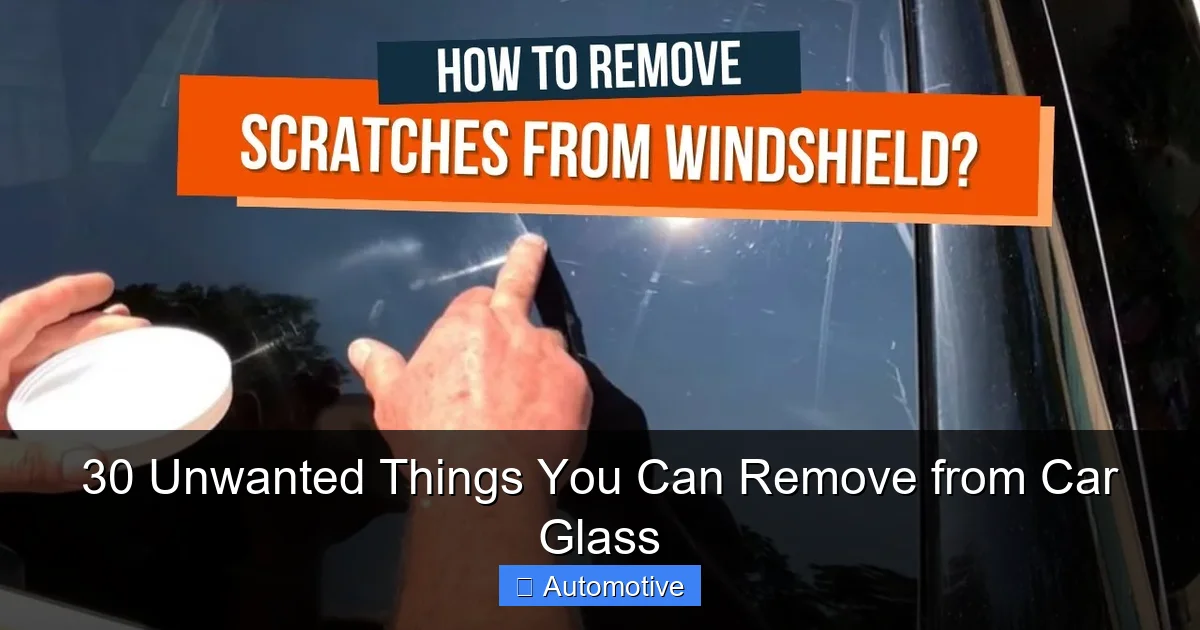
Can I remove scratches from my windshield at home?
Light surface scratches can sometimes be polished out with a glass polishing kit, but deep scratches or chips should be assessed by a professional. DIY attempts on deep damage can worsen the problem.
Is it safe to use a razor blade on car glass?
Yes, but only use a plastic razor blade and hold it at a shallow angle. Metal blades can scratch the glass, especially if there’s sand or dirt underneath. Always use with a lubricant like soapy water.
Why does my windshield get foggy even after cleaning?
Fogging is usually due to moisture trapped inside the car, not dirt on the glass. Clean the interior with a glass cleaner and use the defroster. If it persists, check for clogged cabin air filters or leaks.