215/45r17 Tire Size
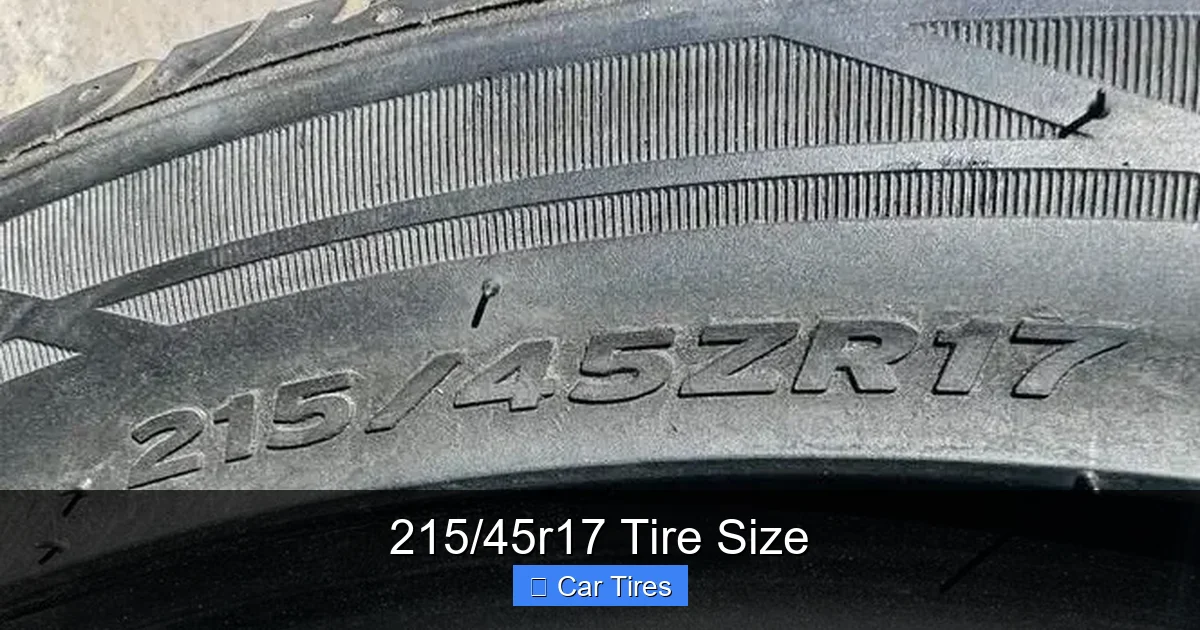
The 215/45R17 tire size is a popular choice for compact cars, coupes, and sporty sedans, offering a balance of comfort, handling, and fuel efficiency. This guide breaks down its dimensions, compatible vehicles, performance traits, and how to choose the right tire for your driving needs.
If you’ve ever glanced at the side of your tire and seen “215/45R17” stamped in small print, you might have wondered what it all means—and whether it matters. The truth is, it matters a lot. That string of numbers and letters tells you everything about your tire’s size, shape, and capabilities. And if you’re driving a compact car, sporty coupe, or modern sedan, there’s a good chance you’re rolling on 215/45R17 tires right now.
This tire size has become a go-to for automakers and drivers alike because it strikes a smart balance between performance, comfort, and efficiency. It’s not too big, not too small—just right for a wide range of everyday driving conditions. Whether you’re commuting to work, taking weekend road trips, or just running errands around town, the 215/45R17 tire size delivers reliable performance without breaking the bank.
In this guide, we’ll dive deep into what makes the 215/45R17 tire size special. You’ll learn how to decode the numbers, which vehicles it fits, how it performs in different conditions, and how to pick the best tire for your needs. We’ll also cover maintenance tips, common upgrades, and what to watch out for when shopping. By the end, you’ll know exactly why this tire size is so popular—and whether it’s the right choice for your ride.
In This Article
- 1 Key Takeaways
- 2 📑 Table of Contents
- 3 Understanding the 215/45R17 Tire Size
- 4 Vehicles That Use 215/45R17 Tires
- 5 Performance and Driving Characteristics
- 6 Types of 215/45R17 Tires
- 7 Choosing the Right 215/45R17 Tire
- 8 Maintenance Tips for 215/45R17 Tires
- 9 Upgrading or Changing Tire Size
- 10 Conclusion
- 11 Frequently Asked Questions
Key Takeaways
- What 215/45R17 means: The numbers represent tire width (215mm), aspect ratio (45%), construction (Radial), and rim diameter (17 inches).
- Common vehicle fitments: Fits models like Honda Civic, Mazda3, Subaru Impreza, and Volkswagen Golf.
- Performance benefits: Offers responsive steering, good grip, and a smooth ride—ideal for city and highway driving.
- Tire types available: Choose from all-season, summer, winter, or performance tires based on climate and driving style.
- Load and speed ratings matter: Most 215/45R17 tires support up to 1,356 lbs per tire and speeds up to 149 mph (H or V rating).
- Proper maintenance is key: Regular rotation, alignment, and pressure checks extend tire life and improve safety.
- Upgrading options: Consider wider or lower-profile tires for sportier looks, but ensure they don’t rub or affect speedometer accuracy.
📑 Table of Contents
Understanding the 215/45R17 Tire Size
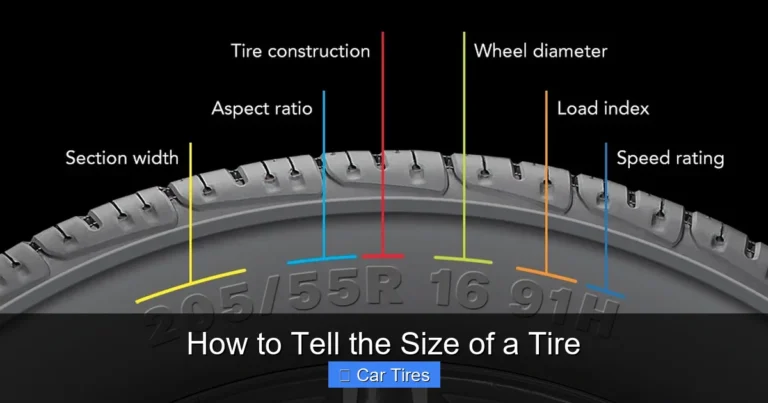
Let’s start with the basics: what does “215/45R17” actually mean? At first glance, it looks like a random code, but each part tells you something important about your tire.
The first number, **215**, refers to the tire’s width in millimeters. This is the measurement from one sidewall to the other when the tire is mounted and inflated. A 215mm width is considered mid-range—narrower than performance tires but wider than economy models. This gives you a solid contact patch with the road, which improves grip without adding too much rolling resistance.
Next is the **45**, which is the aspect ratio. This number represents the height of the tire’s sidewall as a percentage of its width. So, a 45 aspect ratio means the sidewall is 45% of 215mm, or about 96.75mm tall. Lower aspect ratios (like 40 or 35) mean shorter sidewalls and a sportier feel, while higher ratios (like 55 or 60) offer more cushioning. The 45 ratio strikes a nice middle ground—firm enough for responsive handling, but still comfortable over bumps.
The **R** stands for “Radial,” which refers to the internal construction of the tire. Radial tires have layers of fabric and steel belts running radially across the tire, making them durable, flexible, and efficient. This is the standard construction for modern passenger tires, so you’ll see “R” on almost every tire today.
Finally, the **17** is the rim diameter in inches. This tells you what size wheel the tire is designed to fit. A 17-inch wheel is common on compact and midsize cars, offering a good blend of style and practicality. It’s large enough to accommodate modern brake systems but not so big that it sacrifices ride comfort.
Put it all together, and the 215/45R17 tire size gives you a tire that’s 215mm wide, with a sidewall about 97mm tall, built with radial construction, and designed for a 17-inch wheel. It’s a versatile size that works well for daily driving, light performance use, and even some light winter conditions—depending on the tire type.
Vehicles That Use 215/45R17 Tires
Visual guide about 215/45r17 Tire Size
Image source: tireblogger.com
One of the reasons the 215/45R17 tire size is so popular is its wide compatibility. Many automakers use this size as original equipment (OE) on their compact and sporty models. If you drive one of these cars, there’s a strong chance you’re already using—or could upgrade to—this tire size.
Some of the most common vehicles that come with 215/45R17 tires include:
– **Honda Civic (2016–2021):** Especially on sport and touring trims, the Civic uses this size for a balanced ride and sharp handling.
– **Mazda3 (2014–2018):** The Mazda3’s agile chassis pairs perfectly with 215/45R17 tires, enhancing its fun-to-drive character.
– **Subaru Impreza (2017–2022):** Available on higher trims, this size gives the Impreza a confident grip in both dry and wet conditions.
– **Volkswagen Golf (2015–2020):** The Golf’s European tuning benefits from the responsive feel of 215/45R17 tires.
– **Hyundai Elantra (2017–2020):** On sport and limited editions, this tire size improves cornering and stability.
– **Kia Forte (2019–2022):** The Forte GT and EX trims use 215/45R17 tires for a sportier stance and better performance.
– **Toyota Corolla (2020–2022):** On the SE and XSE trims, this size enhances the Corolla’s dynamic handling.
These vehicles are known for their blend of efficiency, comfort, and driving enjoyment—and the 215/45R17 tire size plays a big role in that. It’s not just about fitting the wheel well; it’s about matching the tire’s characteristics to the car’s design.
But even if your car didn’t come with this size, you might still be able to use it—as long as it’s within the recommended range. Most manufacturers allow for slight variations in tire size, as long as the overall diameter stays close to the original. For example, if your car came with 205/50R17 tires, switching to 215/45R17 is usually safe because the overall diameter is nearly identical (within 3%). This is called “plus-sizing” or “tire swapping,” and it’s a common way to improve performance or aesthetics.
Just remember: always check your owner’s manual or consult a tire professional before making any changes. You want to avoid rubbing against suspension components, altering your speedometer readings, or voiding your warranty.
Performance and Driving Characteristics

Visual guide about 215/45r17 Tire Size
Image source: goodyear.lat
So, how does the 215/45R17 tire size actually feel on the road? The answer depends on the type of tire you choose—but in general, this size delivers a smooth, responsive, and confident driving experience.
Handling and Responsiveness
Thanks to its moderate width and low-profile sidewall, the 215/45R17 tire offers excellent steering feedback and cornering stability. The shorter sidewall (compared to, say, a 55-series tire) reduces flex during turns, so the car feels more planted and predictable. This is especially noticeable on winding roads or when making quick lane changes.
Drivers often describe the feel as “sporty but not harsh.” It’s not as stiff as a full performance tire, but it’s definitely more engaging than a standard economy tire. If you enjoy driving and want a car that responds to your inputs, this tire size delivers.
Ride Comfort
While low-profile tires can sometimes feel stiff, the 45 aspect ratio in the 215/45R17 size still provides a decent amount of cushioning. It’s not as plush as a taller sidewall, but it’s far from jarring. Most drivers find it comfortable for daily commuting and long highway trips.
Of course, comfort also depends on the tire model. All-season tires with softer compounds will ride smoother than high-performance summer tires. But even performance-oriented 215/45R17 tires are designed to balance grip and comfort.
Wet and Dry Traction
The 215mm width gives you a solid contact patch, which improves traction in both dry and wet conditions. On dry pavement, you’ll notice confident grip during acceleration and braking. In the rain, modern tread designs help channel water away, reducing the risk of hydroplaning.
That said, no tire is perfect in all conditions. If you live in an area with heavy rain or frequent storms, consider a tire with excellent wet traction ratings—like the Michelin Pilot Sport All Season 4 or the Continental ExtremeContact DWS06+.
Fuel Efficiency
Tire width and rolling resistance play a big role in fuel economy. The 215/45R17 size is relatively narrow, which helps reduce drag and improve gas mileage. Compared to wider tires (like 225 or 235), it’s more efficient—especially on highway drives.
If fuel economy is a top priority, look for tires labeled as “low rolling resistance” or “eco-friendly.” Brands like Bridgestone, Goodyear, and Pirelli offer models designed to maximize MPG without sacrificing safety.
Noise and Road Feedback
One trade-off with lower-profile tires is increased road noise. The shorter sidewall transmits more vibrations and sound from the road surface. However, modern tire technology has improved significantly, and many 215/45R17 tires now feature noise-reducing tread patterns and sound-absorbing foams.
If you’re sensitive to noise, read reviews or look for tires with “quiet ride” features. The Continental PureContact LS and the Michelin Defender T+H are known for their quiet performance.
Types of 215/45R17 Tires

Visual guide about 215/45r17 Tire Size
Image source: tireblogger.com
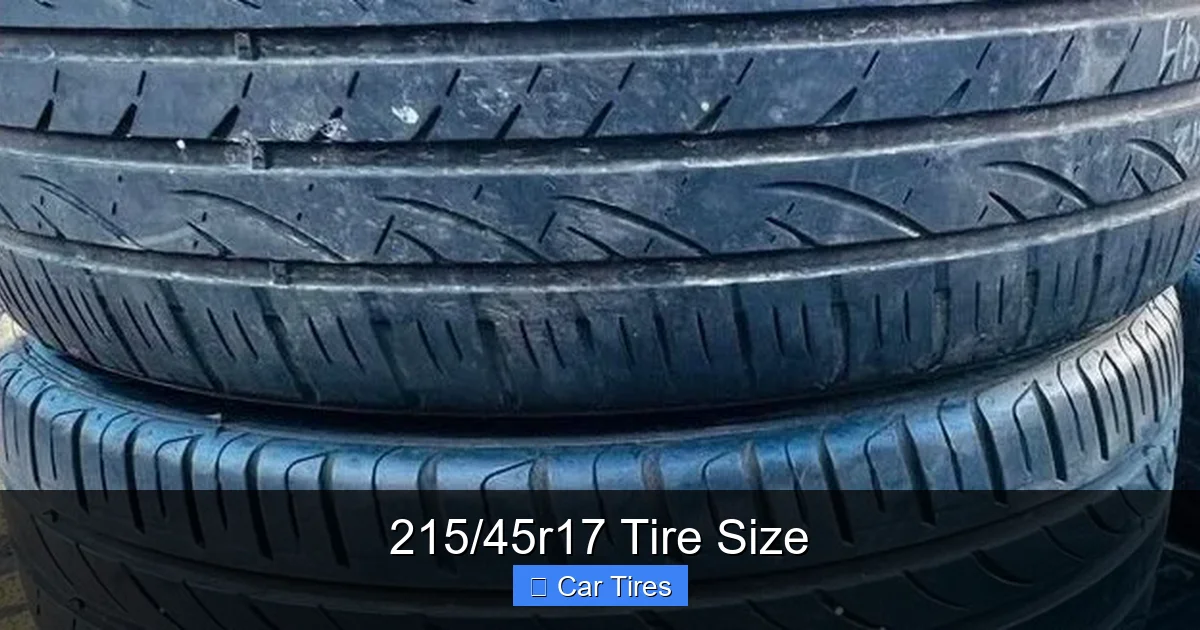
Not all 215/45R17 tires are created equal. The type of tire you choose will have a big impact on performance, comfort, and longevity. Here are the main categories to consider:
All-Season Tires
These are the most popular choice for drivers in moderate climates. All-season tires are designed to perform well in dry, wet, and light winter conditions. They offer a great balance of comfort, tread life, and versatility.
Top picks include:
– **Michelin Defender T+H:** Known for long tread life and a smooth ride.
– **Continental PureContact LS:** Excellent wet traction and quiet performance.
– **Goodyear Assurance WeatherReady:** Great for light snow and all-weather use.
All-season tires are ideal if you want one set of tires for year-round driving and don’t face extreme winter conditions.
Summer/Performance Tires
If you live in a warm climate and enjoy spirited driving, summer tires are worth considering. They use softer rubber compounds that grip better in warm weather, offering sharper handling and shorter braking distances.
Popular options:
– **Michelin Pilot Sport 4:** A top performer in dry and wet conditions.
– **Pirelli P Zero:** Aggressive tread pattern for sporty driving.
– **Bridgestone Potenza RE-71R:** Track-capable with excellent feedback.
Just remember: summer tires harden in cold weather and should not be used below 45°F (7°C).
Winter/Snow Tires
For drivers in snowy or icy regions, winter tires are a must. They’re made with special rubber that stays flexible in freezing temperatures and have deep treads for snow traction.
Recommended models:
– **Michelin X-Ice Snow:** Excellent ice and snow performance.
– **Bridgestone Blizzak WS90:** Great for deep snow and slush.
– **Nokian Hakkapeliitta R3:** Premium winter tire with low rolling resistance.
Winter tires dramatically improve safety in cold weather, so don’t skip them if you see regular snow.
All-Weather Tires
A newer category, all-weather tires are designed to handle both summer and winter conditions—without needing seasonal changes. They carry the 3PMSF (Three-Peak Mountain Snowflake) symbol, meaning they meet severe snow service requirements.
Top choices:
– **Nokian WR G4:** One of the best all-weather tires on the market.
– **General Altimax Arctic 12:** Affordable and reliable for moderate winters.
These are a great option if you want the convenience of one tire year-round but still need winter capability.
Choosing the Right 215/45R17 Tire
With so many options, how do you pick the best 215/45R17 tire for your needs? Here are some practical tips to help you decide:
Consider Your Climate
Your local weather should be the first factor in your decision. If you live in a place with mild winters and hot summers, all-season or summer tires are fine. But if you see snow or freezing temps, winter or all-weather tires are safer.
Think About Your Driving Style
Are you a relaxed commuter or a weekend canyon carver? If you drive aggressively, performance tires will give you better grip and response. If you prioritize comfort and longevity, go for touring or grand-touring all-season tires.
Check Load and Speed Ratings
Every tire has a load index and speed rating. For 215/45R17 tires, common load indexes are 87 (1,201 lbs) or 91 (1,356 lbs), and speed ratings include H (130 mph), V (149 mph), or W (168 mph). Make sure your tires meet or exceed your car’s requirements.
Read Reviews and Ratings
Don’t just go by brand names. Check independent reviews from sources like Tire Rack, Consumer Reports, or YouTube. Look for feedback on wet traction, tread life, noise, and comfort.
Compare Prices and Warranties
Tire prices can vary widely. Shop around online and at local shops. Also, check the treadwear warranty—some tires offer up to 80,000 miles of coverage.
Don’t Forget Installation and Balancing
Even the best tire won’t perform well if it’s not installed correctly. Choose a reputable shop that offers free rotation, alignment checks, and road hazard protection.
Maintenance Tips for 215/45R17 Tires
To get the most out of your 215/45R17 tires, regular maintenance is essential. Here’s how to keep them in top shape:
Check Tire Pressure Monthly
Underinflated tires wear unevenly, reduce fuel economy, and increase the risk of blowouts. Use a quality gauge and check pressure when the tires are cold. Refer to your door jamb sticker for the correct PSI.
Rotate Every 5,000–7,500 Miles
Rotation helps even out wear and extends tire life. Front tires typically wear faster due to steering and braking, so moving them to the rear can balance things out.
Inspect for Damage and Wear
Look for cuts, bulges, cracks, or uneven tread wear. If you see signs of wear—like cupping or feathering—it could indicate alignment or suspension issues.
Get an Alignment Annually
Misaligned wheels cause rapid or uneven tire wear. If your car pulls to one side or the steering wheel vibrates, it’s time for an alignment.
Balance When Needed
If you feel vibrations at highway speeds, your tires may be out of balance. A quick balancing service can fix the issue.
Store Properly if Seasonal
If you switch between summer and winter tires, store them in a cool, dry place away from sunlight. Use tire bags or racks to prevent flat spots.
Upgrading or Changing Tire Size
While 215/45R17 is a great size, some drivers consider upgrading for better performance or a more aggressive look. Here’s what to know:
Going Wider (e.g., 225/45R17)
A wider tire increases grip and improves handling, but it may reduce fuel economy and increase road noise. Make sure there’s enough clearance in the wheel well.
Lower Profile (e.g., 215/40R17)
A shorter sidewall gives a sportier feel but can make the ride harsher. Avoid going too low, or you risk damaging rims on potholes.
Plus-Sizing to 18 Inches
Switching to 18-inch wheels (e.g., 225/40R18) is common for a more aggressive stance. Just ensure the overall diameter stays within 3% of the original to avoid speedometer errors.
Always consult a tire professional before making changes.
Conclusion
The 215/45R17 tire size is a smart, versatile choice for drivers who want a balance of performance, comfort, and efficiency. It fits a wide range of popular vehicles, performs well in various conditions, and offers plenty of tire options to match your needs.
Whether you’re replacing worn tires or upgrading for better handling, understanding this size helps you make informed decisions. From decoding the numbers to choosing the right type and maintaining them properly, this guide gives you everything you need to get the most out of your 215/45R17 tires.
So next time you’re shopping for tires, remember: it’s not just about the brand or price. It’s about finding the right fit for your car, your climate, and your driving style. And with the 215/45R17 tire size, you’re already off to a great start.
Frequently Asked Questions
What does 215/45R17 mean?
The 215/45R17 tire size means the tire is 215mm wide, has a sidewall height that’s 45% of the width, uses radial construction, and fits a 17-inch wheel. It’s a common size for compact and sporty cars.
Can I use 215/45R17 tires on my car?
Check your owner’s manual or door jamb sticker to see if this size is approved. Many cars like the Honda Civic, Mazda3, and Volkswagen Golf use it as original equipment.
Are 215/45R17 tires good for winter?
Standard all-season 215/45R17 tires handle light snow, but for heavy snow or ice, winter or all-weather tires are safer and more effective.
How long do 215/45R17 tires last?
Tread life varies by brand and driving habits, but most last between 40,000 and 70,000 miles. Regular rotation and proper inflation help extend their life.
Can I upgrade to a wider tire like 225/45R17?
Yes, as long as there’s enough clearance in the wheel well and the overall diameter stays within 3% of the original. Consult a tire professional before making changes.
Do 215/45R17 tires affect fuel economy?
Yes, narrower tires like 215/45R17 generally have lower rolling resistance, which can improve fuel efficiency compared to wider tires.